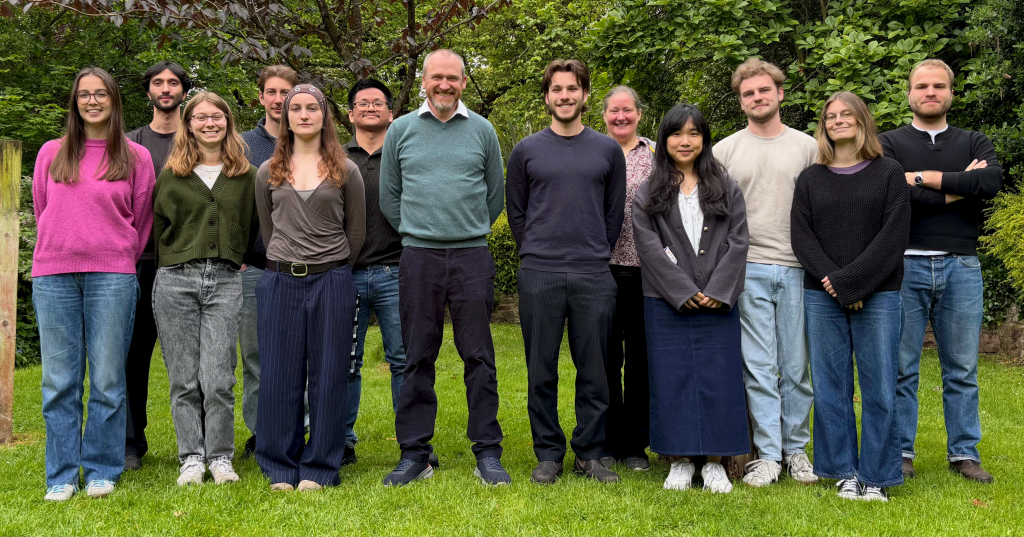
Thom Sharp
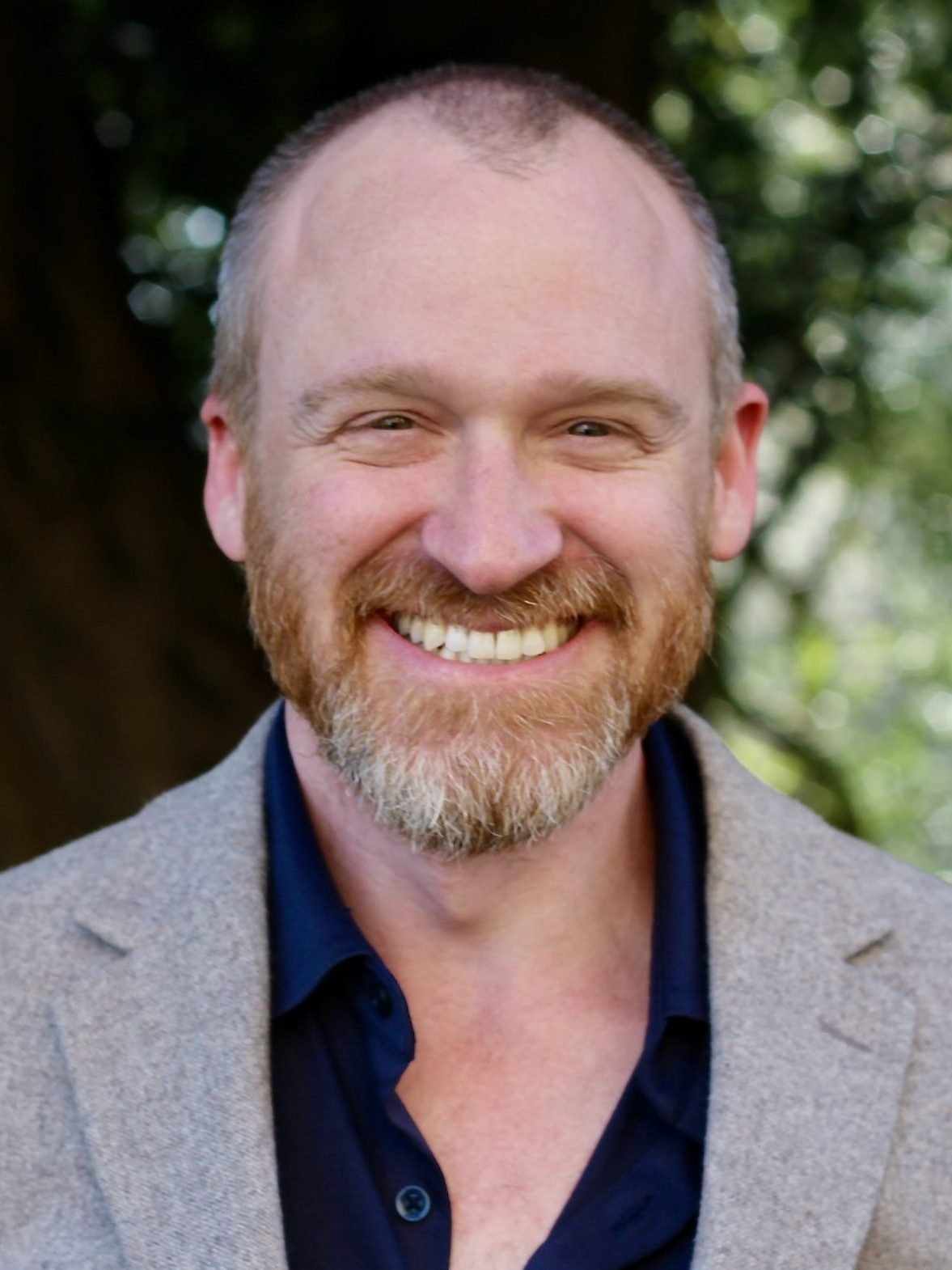
Thom is Professor of Structural and Synthetic Immunology in the School of Biochemistry and Biomedical Sciences at the University of Bristol, UK. Thom’s research is focussed on understanding and controlling the human immune system, which he does by combining state-of-the-art structural biology with synthetic biology techniques, including structure-guided design, AI-based structure prediction and design, and DNA nanotechnology.
CV
Thom started his academic career in Bristol, where he performed his PhD jointly between the groups of Dek Woolfson (Chemistry) and Paul Verkade (Biochemistry), focussing on the utilisation of cryoEM to elucidate the superstructure of self-assembled peptide fibres, and the development of new in vivo probes for Correlative Light Electron Microscopy (CLEM). Thom’s first postdoc was at the University of Oxford, UK, where he worked in the Division of Structural Biology (STRUBI) and the Department of Physics with Andrew Turberfield. Whilst there he designed and tested DNA-templated protein arrays as a tool for high-throughput protein structure determination using cryoTEM and single-particle analysis. Thom then moved to the Netherlands, first as a postdoc, then as an Assistant Professor, where his research focussed on the use of electron cryo-tomography, combined with subtomogram averaging, to determine the structures of different macromolecular protein complexes of the innate immune system. Thom became an Associate Professor in 2021 and was group leader of the BioNanoPatterning group at the LUMC. In 2024, Thom joined the University of Bristol, where he runs his own research group and leads method developments into in situ structural biology. Thom is also co-founder and CSO of the start-up company PeptAb BV, and acts as a scientific consultant for various biotech companies.
Current funding:
May 2026 ERC Proof of Concept grant (€150k). Sole applicant.
Sept 2025 beLAB1407 BRIDGE industrial partnership with Evotec (£850k). Sole applicant.
June 2025 Wellcome Trust Discovery Award: “Endosomal retrieval subdomain organisation, dynamics and function in human health and disease” (£3.7 M). Co-applicant, shared with 2 PIs.
Nov 2024 ERC Consolidator grant: “In situ structural biology of human immune defence” (€2 M). Sole applicant.
Nov 2024 Industrial collaboration with Gyes BV (£408 k). Sole applicant.
Sept 2024 MRC grant (£783 k). Sole applicant.
May 2024 BBSRC Alert2024 grant entitled “A versatile focused ion beam milling microscope for in situ structural biology” (£1.575 M). Lead applicant.
Nov 2020 Received an NWO VIDI grant (€800 k). Sole applicant.
Past funding:
Oct 2024 MRC Impact Accelerator Award (£100 k). Sole applicant.
Sept 2022 Member of a consortium awarded a Horizon Europe grant entitled “IMAGINE – Next Generation Imaging Technologies To Probe Structure And Function Of Biological Specimen Across Scales In Their Natural Context” (€10 M). Co-applicant of a consortium comprising 23 partner organisations.
Jun 2022 Received a Public-Private partnership grant from the Knowledge and Innovation in the Life Sciences & Health sector (€700 k). Co-applicant, shared with 2 PIs.
Jun 2021 Awarded a LUMC Innovation Grant (€100 k). Lead applicant.
Jan 2021 Thom was awarded the NVBMB prize (The Netherlands Society for Biochemistry and Molecular Biology): https://nvbmb.kncv.nl/prizes/nvbmb-prize
Jul 2020 Received an LUMC-TU Delft healthcare initiative grant (€200 k). Co-applicant, shared with 2 PIs.
Apr 2020 Received an NWO Klein grant (€306 k). Sole applicant.
Jul 2017 Awarded an ERC Starting grant entitled “Protein nano-patterning using DNA nanotechnology; control of surface-based immune system activation” (€1.5 M). Sole applicant.
Post Doctoral Research Associates
Alvin Szeto

Alvin Szeto joined the Sharp Lab in October 2024 as a postdoctoral research associate. Alvin’s project involves structure-guided drug design of a macrocyclic peptide to inhibit complement activation for therapies targeting autoimmune and autoinflammatory diseases. Additionally, his research explores the use of this macrocyclic peptide to trigger complement activation as a targeted therapy against disease. His work incorporates techniques such as biophysical assays to assess complement protein recruitment, as well as XChem to investigate small molecule interactions with C1q via X-ray crystallography.
CV
Alvin completed an undergraduate degree in Biochemistry with a placement year, followed by a master’s in research at Cardiff University. He earned his PhD at the University of Bristol in 2023 under the supervision of Prof. Christiane Schaffitzel, focusing on an RNA quality control mechanism known as nonsense-mediated RNA decay. During his PhD, he undertook a professional internship at Immunocore Ltd., working on bispecific T-cell receptor therapies. After completing his PhD, Alvin pursued postdoctoral research at the University of Bristol in collaboration with QinetiQ on energetic materials, followed by a brief postdoctoral position at Newcastle University with Prof. Paul Race before joining the Sharp lab.
Asme Boussahel
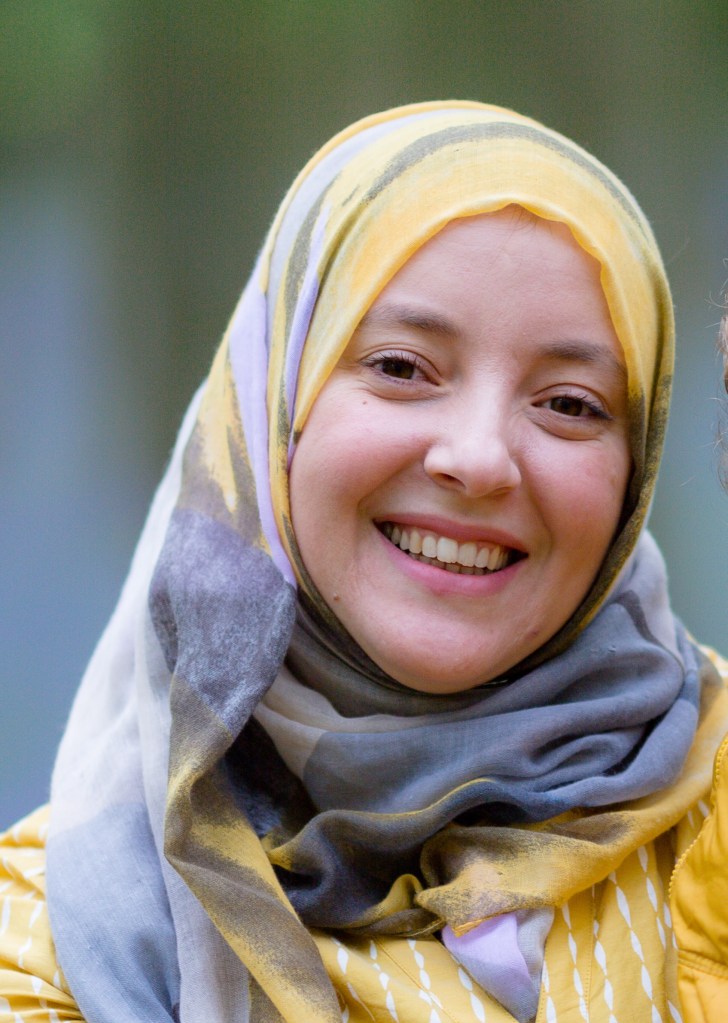
Asme is a Senior Research Associate and joined the Sharp Lab in September 2025. Asme’s research focuses on macrophage biology and phagocytosis, using advanced in vitro models and computational analysis to study immune cell behaviour in physiologically relevant contexts. She is now integrating in situ structural approaches, including cryoFIB-SEM and cryoET, to visualise the molecular choreography of phagocytic events and support the development of next-generation immunotherapeutics.
CV
Asme was a Daphne Jackson Research Fellow working on developing an in-vitro model of the human subcutaneous tissue for testing drug bioavailability.
Asme specialised in tissue engineering, drug delivery, in-vitro modelling and research translation.
Asme received her PhD in 2012 from the University of Nottingham on the development of an in-situ solidifying scaffold for bone tissue regeneration. Following this, She was a Senior Research Associate at the University of Portsmouth working on the development of nanoparticles as drug delivery tools across the blood-brain barrier. She then moved to industry to work as a Senior Formulation Scientist and then Head of Preclinical and Clinical development, working on the development of novel drugs for subcutaneous delivery.
Christine Toelzer
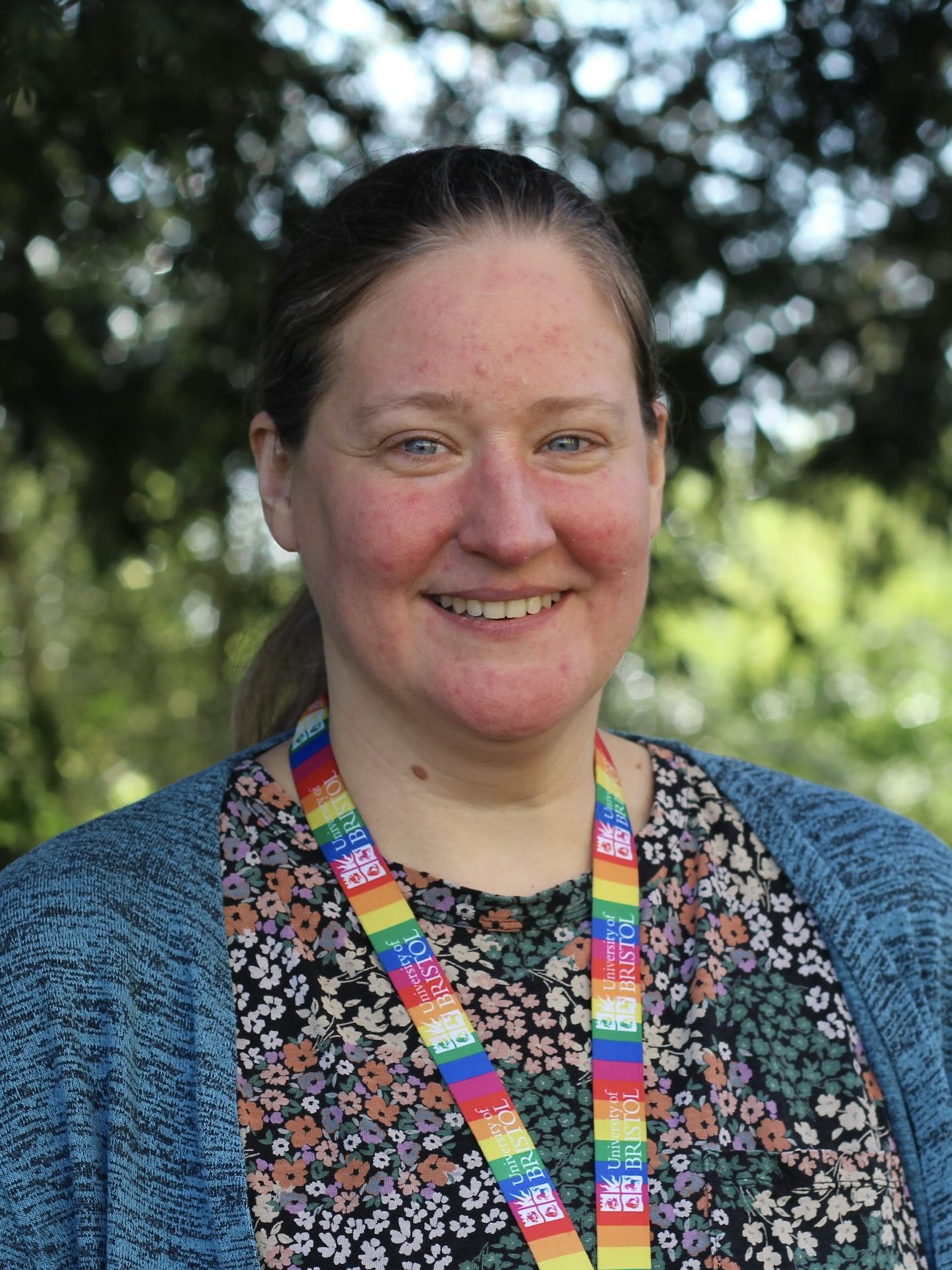
Christine joined the lab in January 2025. Her research focuses on the structural biology of antibody arrays, with a particular interest in how Fab-Fab interactions drive their assembly, modulate functional properties, and shape their interactions with target antigens. She uses cryo-electron microscopy (cryo-EM) and cryo-electron tomography (CryoET) to visualize these complexes and gain insights into their three-dimensional organization.
CV
Huong Nguyen
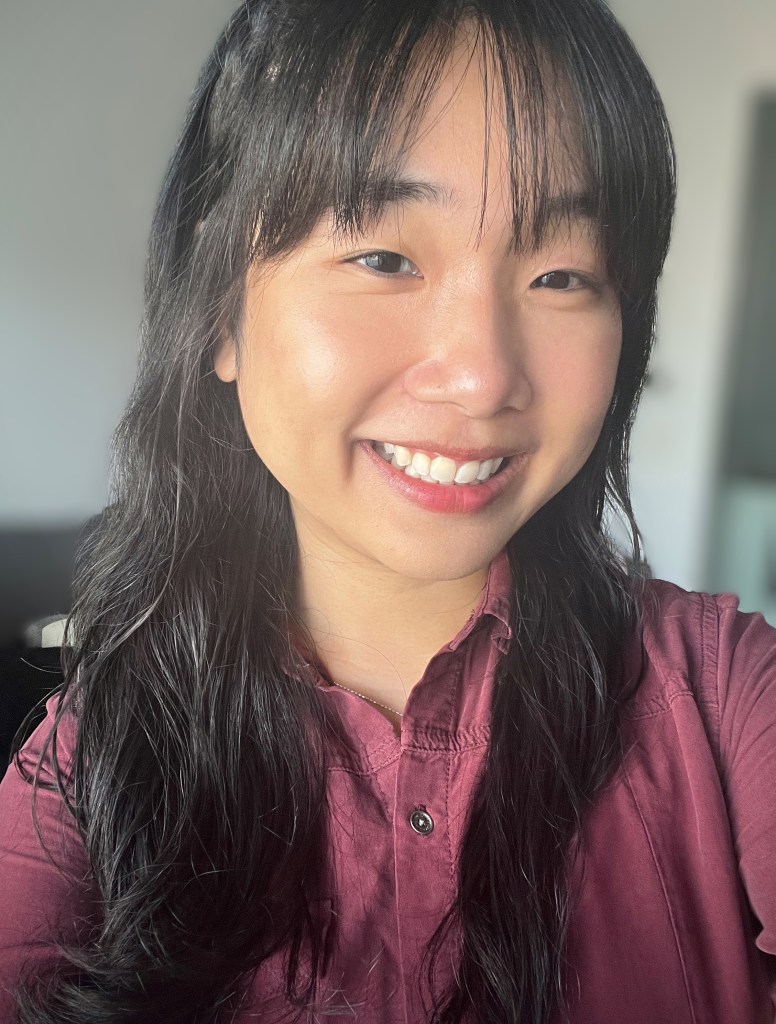
Huong joined the Sharp lab in January 2026 as a Research Associate. Her research focuses on elucidating the molecular mechanisms of phagocytosis using in situ structural biology approaches. She will be using cryoFIB-SEM and cryoET to visualise various stages of the phagocytic events and determine high-resolution structures of key receptors and ligands involved in this process.
CV
Huong completed her PhD in Biochemistry at the University of Toronto under the supervision of Dr. Trevor Moraes. Her doctoral thesis focussed on uncovering an immune evasion function of a bacterial protein and elucidating its molecular mechanism by integrating structural and biophysical approaches.
Kasim Waraich
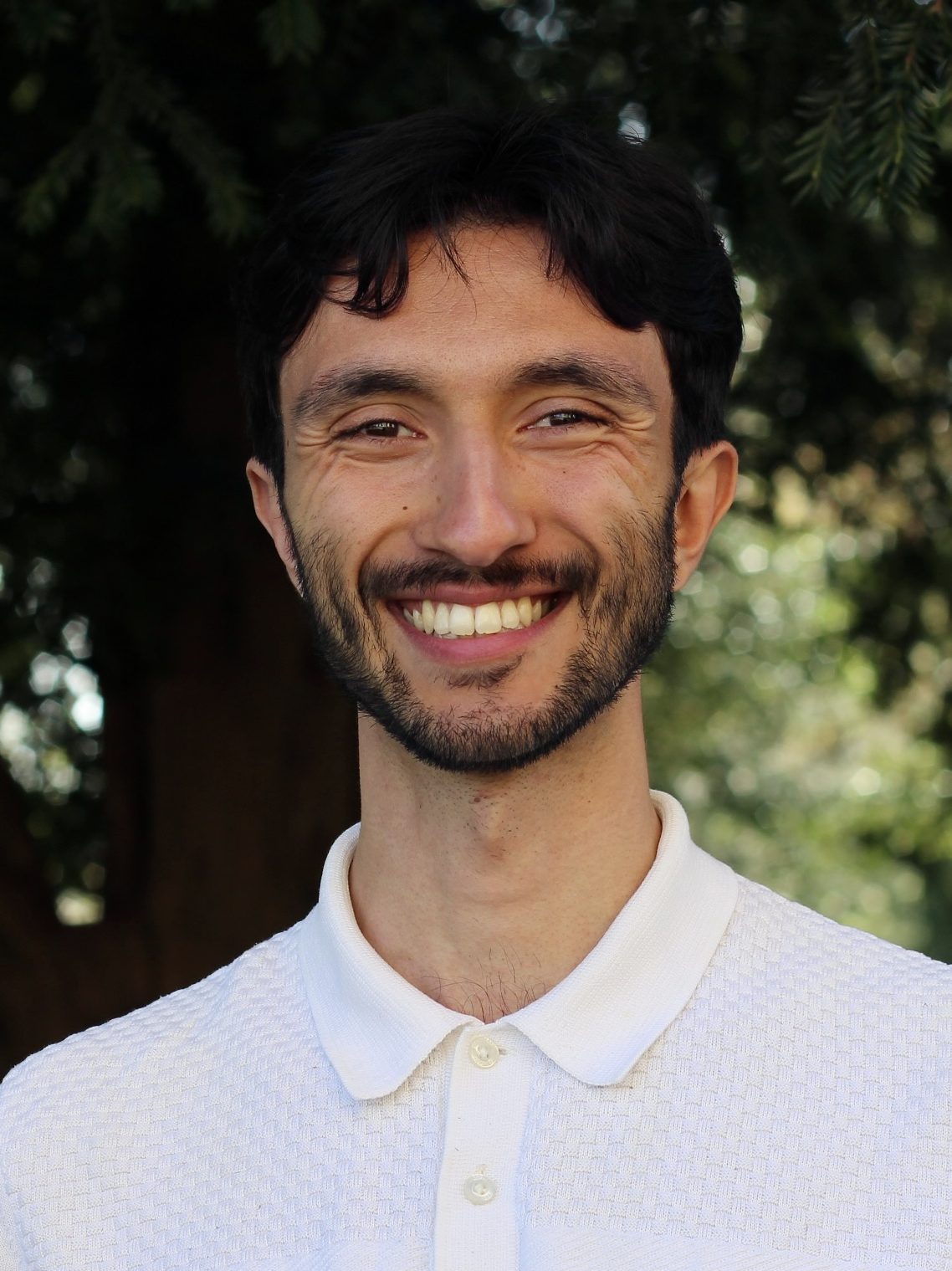
Kasim joined the Sharp Lab in January 2025 as a Research Associate. Kasim specialises in single particle analysis Cryo-EM and his work in the Sharp Lab utilises generative AI and a structure guided approach to develop immune modulators of C-reactive protein, a member of the pentraxin family implicated in autoimmune diseases lupus and rheumatoid arthritis.
CV
Kasim completed a short postdoctoral research position with AstraZeneca’s Influenza vaccine group and previously completed his PhD at the MRC-University of Glasgow Centre for Virus Research.
PhD and MRes Students
Will Bennett
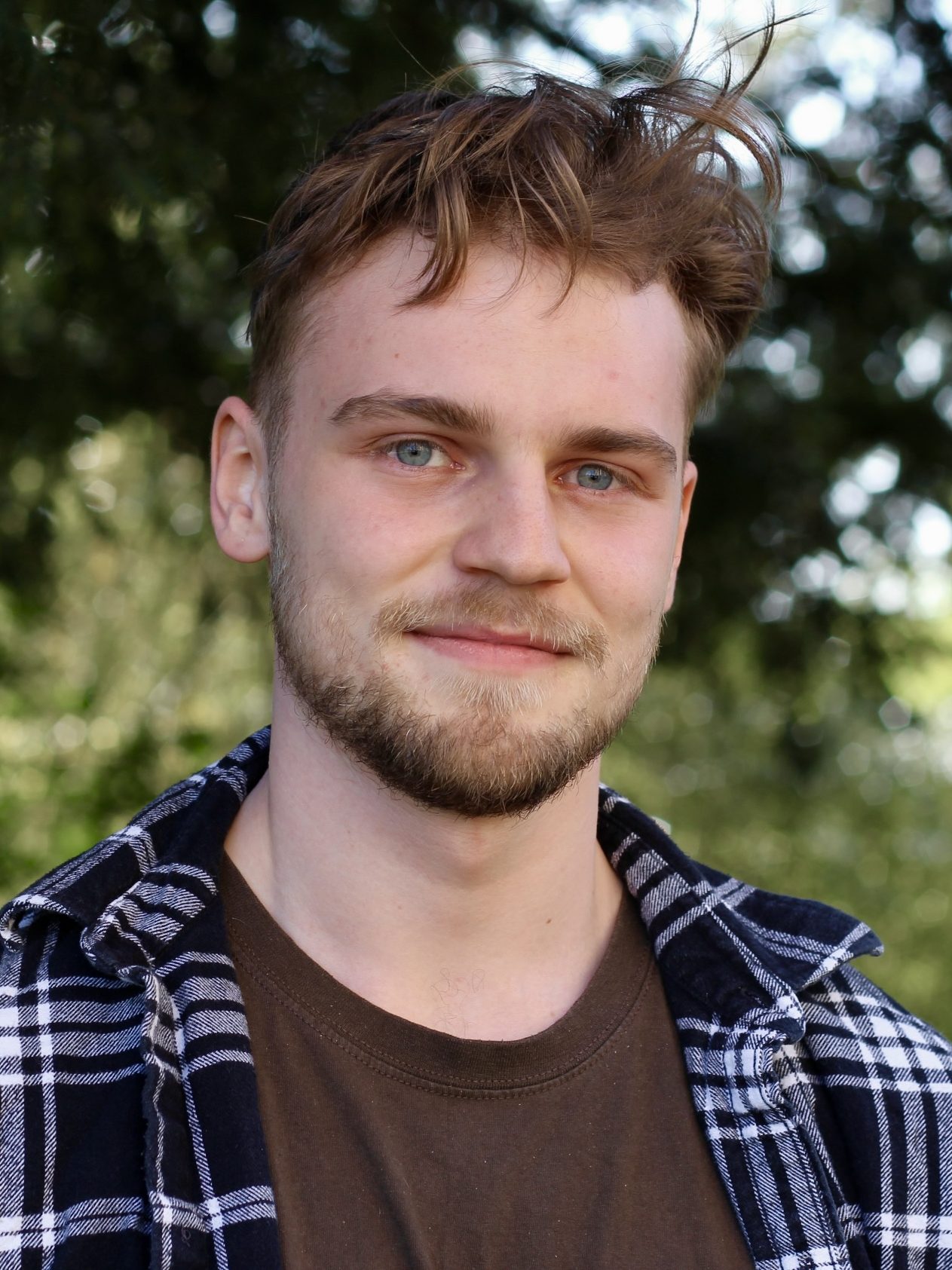
Will started as a PhD student in September 2024. He has a background in biochemistry and deep learning algorithms. His main project is developing a bespoke binder design pipeline for structure guided drug design of complement modulators.
CV
Will previously completed his undergraduate at the University of Bristol.
Jan Gradon
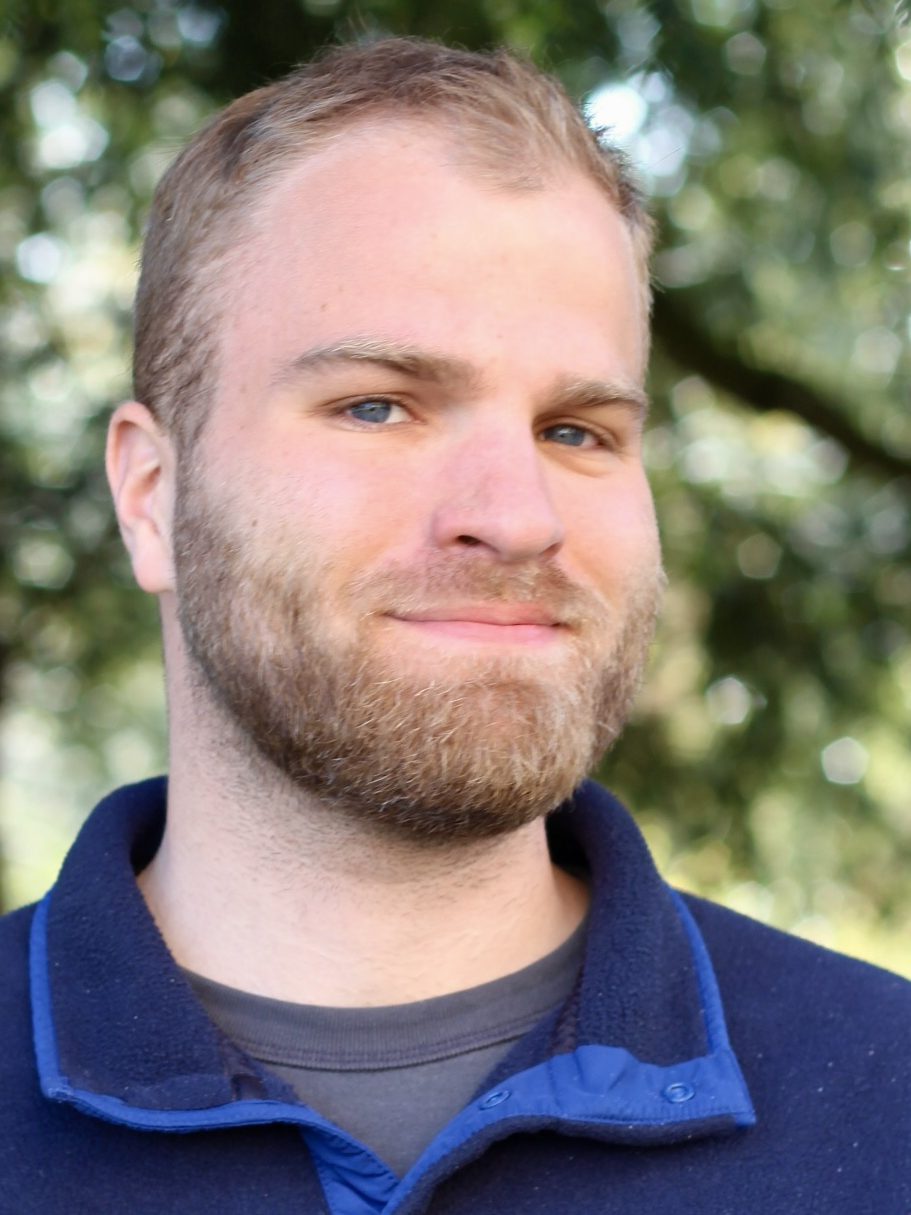
Jan is a Wellcome Trust PhD student, working towards characterising cellular trafficking networks through in vitro and in situ CryoET. He is interested in the structural insights of endocytosis and endosome sorting. Upon completing a rotation in the Sharp lab, he joined as a full-time member in September 2025, jointly supervised by Professor Pete Cullen.
CV
Before coming to Bristol, Jan studied biochemistry at the University of Oxford, graduating with an MBiochem degree in 2024. During his rotation year on the Wellcome Trust Dynamic Molecular Cell Biology program, he completed placements in the Sharp, Cullen and Richardson labs.
Gil Krikler
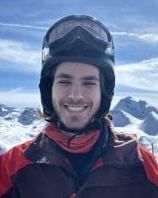
Gil is PhD student from the Engineering Biology CDT. In the Sharp lab he is working on new methods to target cells for therapeutic gain.
CV
Before joining the EngBio CDT, Gil studied biological natural sciences at Cambridge, focusing on both the biology of disease and the capsizing of rowing boats. Gil is passionate about interdisciplinary research, with his master’s degree in systems biology providing both experimental and computational expertise. He previously worked with the Rayner lab at CIMR to validate high-throughput AI-driven analysis of the Plasmodium falciparum proteome, and with the Fusco lab at the Cavendish Laboratory to explore methods for the engineering and characterisation of mutant bacteriophage. Gil was drawn to engineering biology as a field that is driven by collaborative problem-solving and real-world applications. Since moving to Bristol, Gil has traded the river for the giddying heights of his local bouldering wall, and he’s looking forward to exploring the coast and countryside around the city.
Nícola Egües
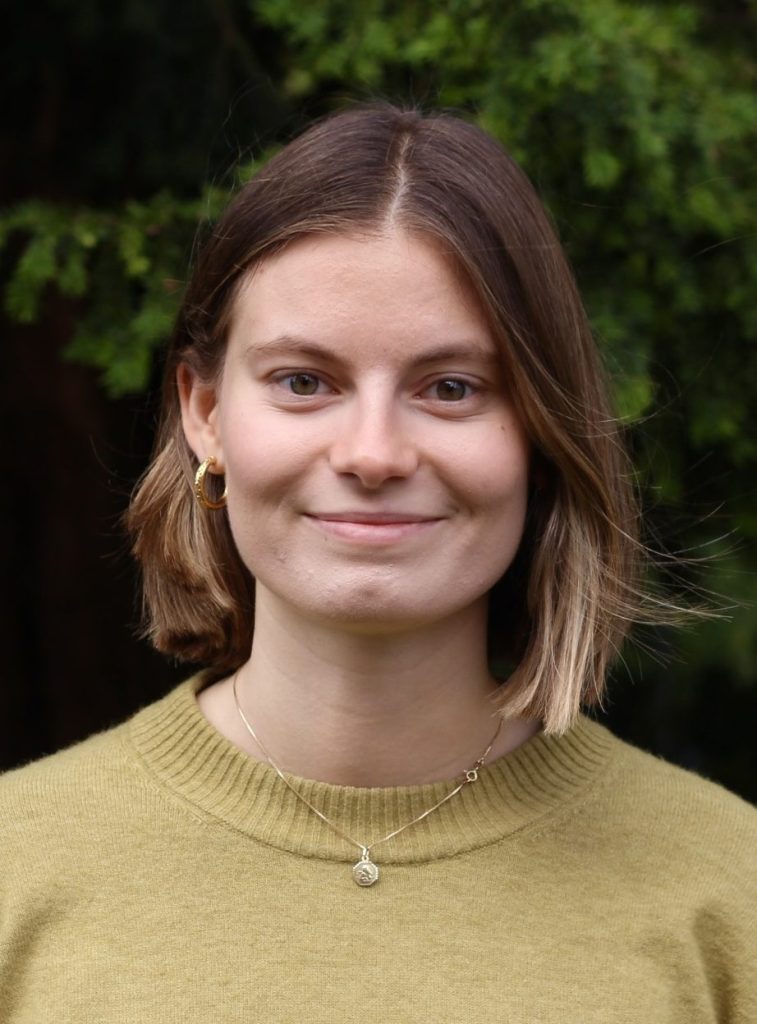
Nicola started her PhD in May 2026, working on new methods to incorporate AI into structre-guided drug design.
CV
Zoe Miller
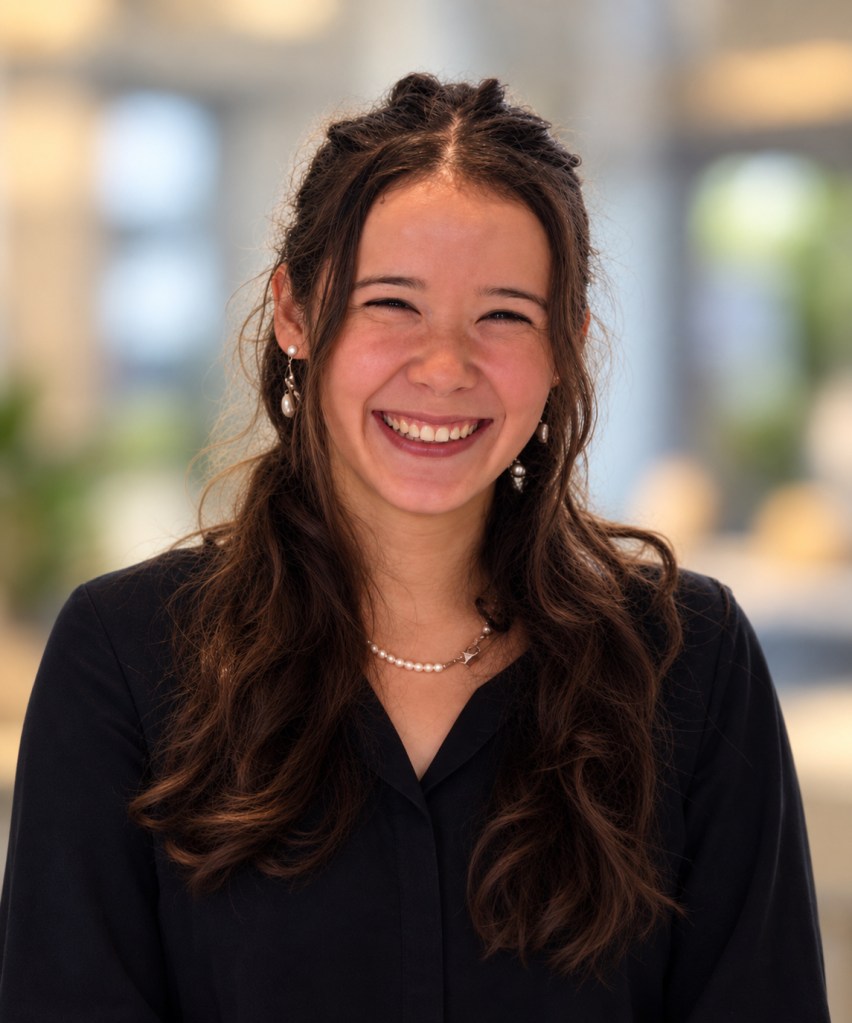
Zoe is an MRes student in the Sharp Lab, working on the engineering of cyclic peptides to modulate the human immune system. Her project focuses on developing and optimising peptide synthesis and cyclisation strategies, followed by biophysical, biochemical and immunological characterisation of candidate molecules.
CV
Zoe completed her BSc in Chemistry at the University of Bath, including an industrial placement at Bicycle Therapeutics, where she worked primarily within the peptide chemistry team, gaining experience in peptide synthesis, purification and characterisation. Her project investigated the effects of Bicycle® peptide cyclisation chemistry on the biodistribution of Bicycle Radionuclide Conjugates. She developed and evaluated novel peptide scaffolds across multiple peptide sequences and targets, aiming to improve cross-target applicability and biodistribution.
Emily Ardern-Jones
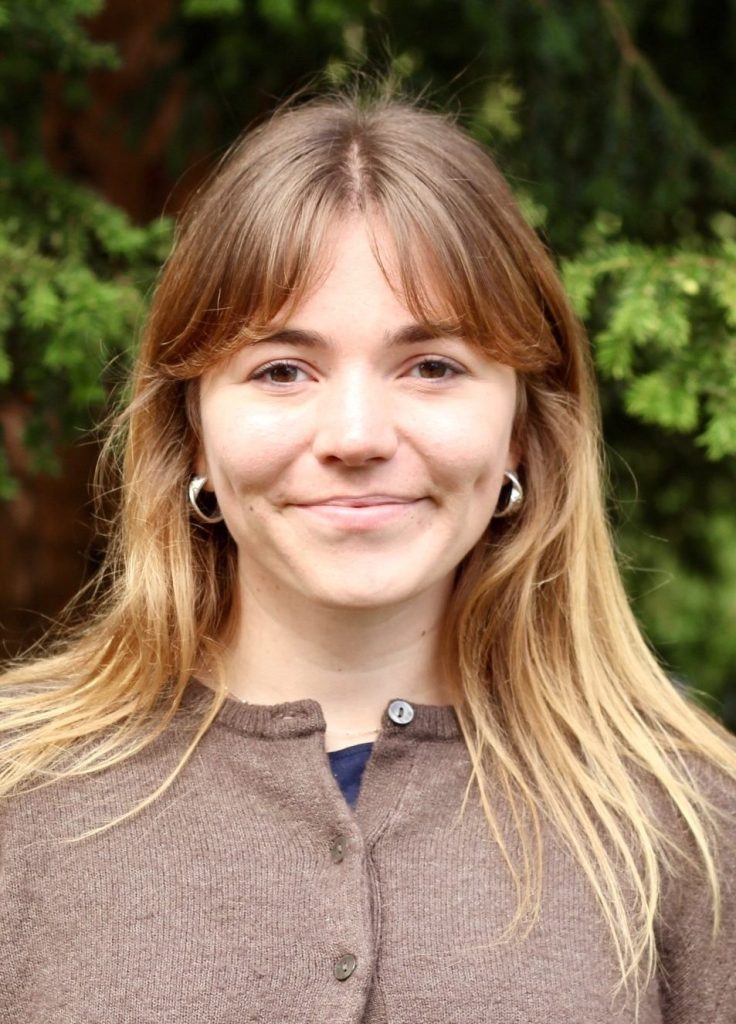
My project investigates how therapeutic antibodies alter the conformation and organisation of ERBB receptors at the cell membrane, focusing on HER2, a receptor frequently overexpressed in cancer and an important target of antibody-based cancer therapies. Using membrane-reconstituted HER2 and extending to HER3, I aim to understand how antibodies influence receptor assemblies, providing insight that could be used to engineer antibodies with improved efficiency and therapeutic potential.
CV
Hugo Blanchard
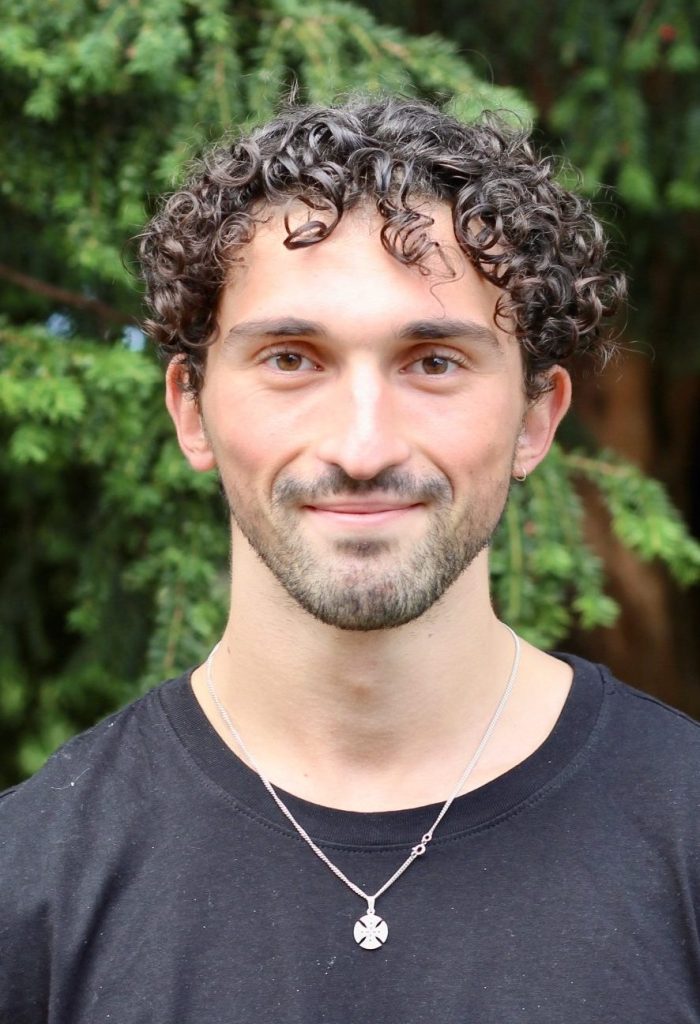
project.
CV
Technical Staff
Jasmine Taylor
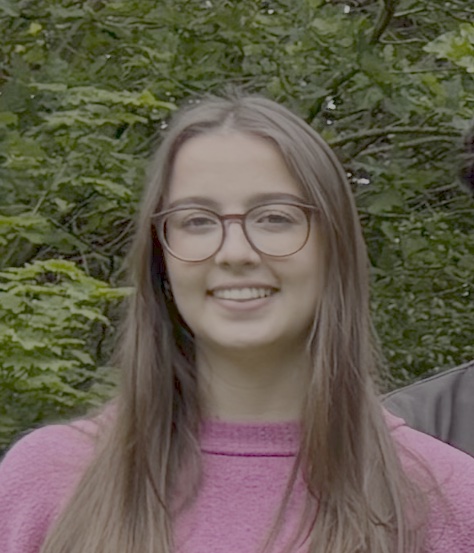
Jasmine recently performed her MRes in the Sharp lab in September 2025 and has now rejoined in a technical role to advance the development of novel therapeutics.
CV
Jasmine performed her MRes in the Sharp lab, where her work was focussed on using synthetic biologics into achieve complement-mediated elimination of self-reactive T cells. Jasmine studied Cancer Biology and Immunology at the University of Bristol. Her final-year project focused on investigating the mechanism of action of 5-aminosalicyclic acid and its contribution to colorectal cancer prevention via NF-κB. Inspired by what she learned throughout her degree, she decided to pursue immunology at Master’s level and hopes to continue building a research-focused career in the future.
BSc, MSc and Rotation Students
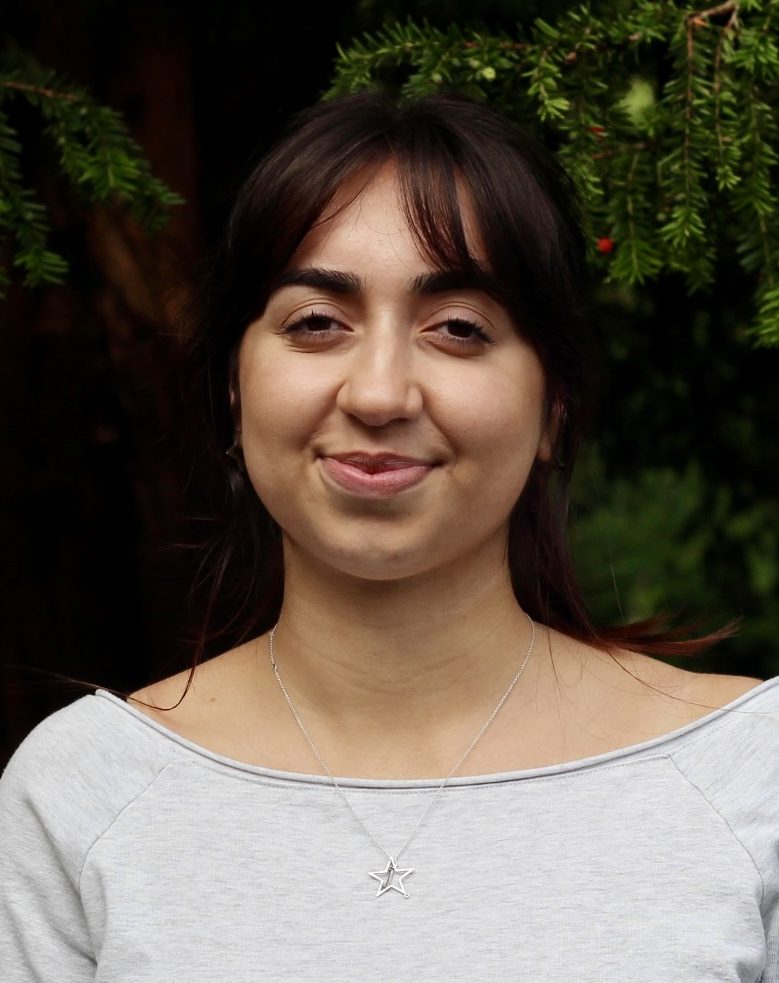
Cristina Sarta
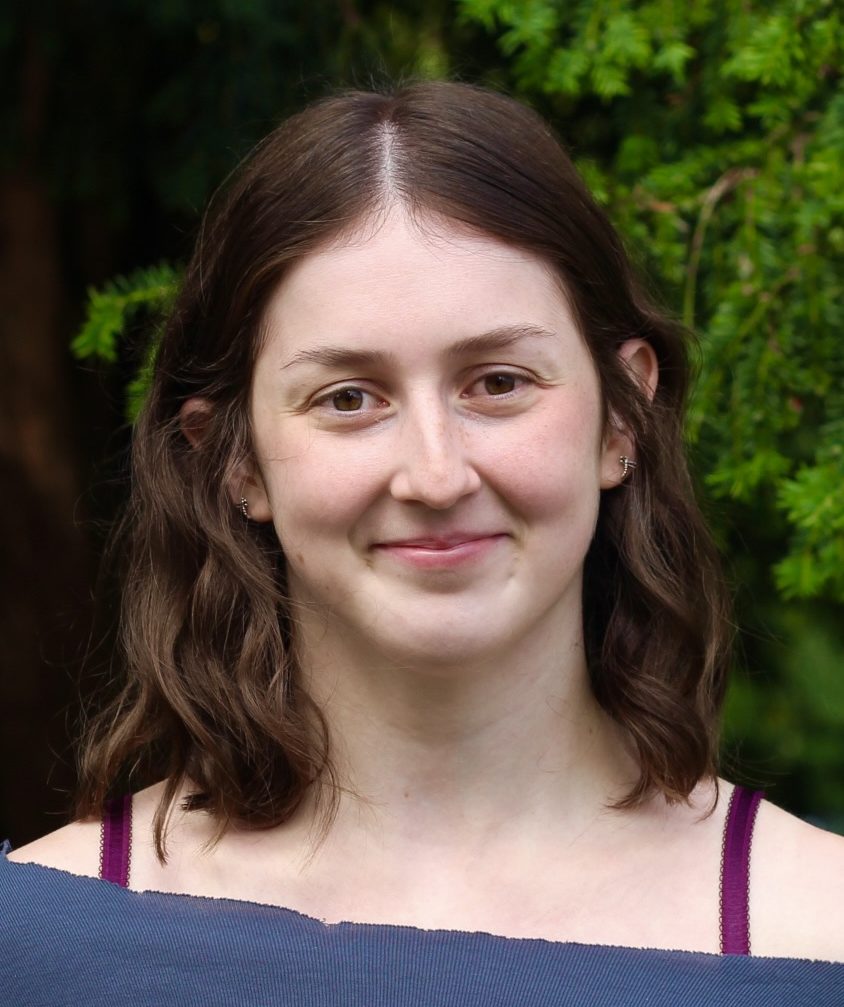
Cara Ring
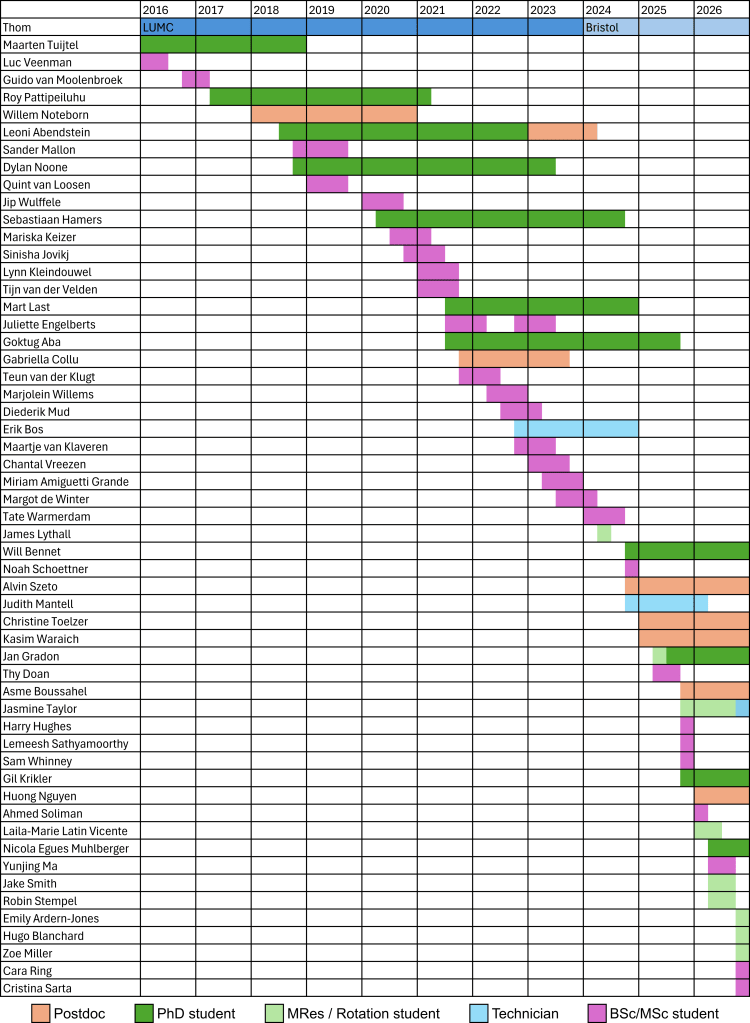
Sharp Lab Timeline
Past Members
Judith Mantell
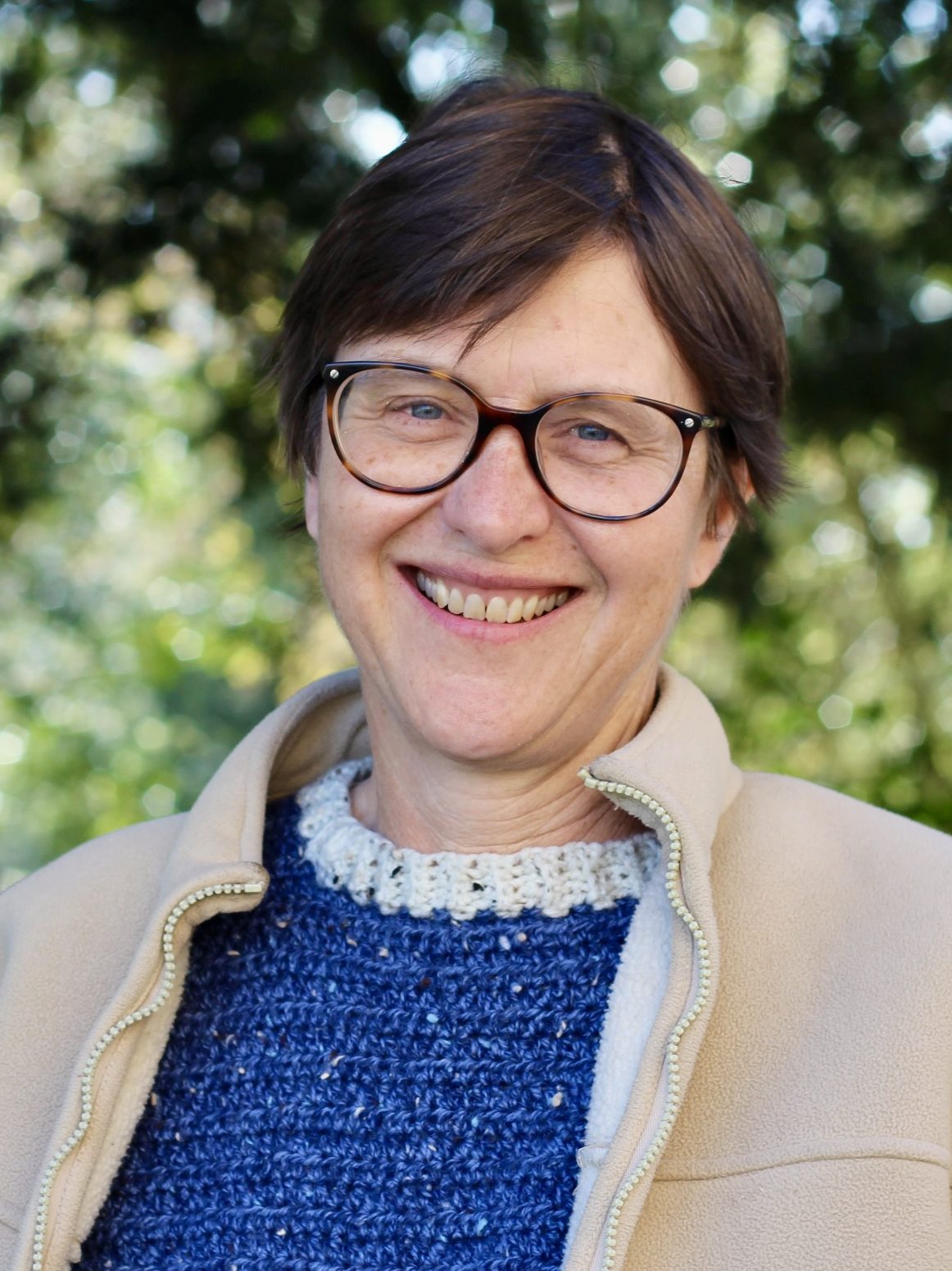
Judith joined the Sharp Lab in 2024 to assist with the procurement and set up of a new cryo FIB-SEM at Bristol and generally to support the EM activities in the lab.
CV
Judith is a specialist electron microscopy technician with expertise in both TEM and SEM at room temperature and cryo and applied to materials and the life sciences. This broad experience has been acquired by working both as a technical specialist for microscope equipment vendors and as a researcher in industry and academia as well as more recently as an EM Facility team member.
Leoni Abendstein
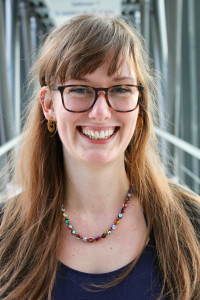
Leoni Abendstein joined the Sharp Lab in June 2018 as a PhD student, where she continued afterwards and stayed as a postdoctorial researcher. The Sharp lab has a strong focus on developing DNA nanotechnology to understand the human innate immune system, especially the complement cascade. The human complement cascade plays an essential role in immune defence against invading pathogens, as well as mediating clearance of cellular debris and apoptotic cells. During her PhD project Leoni used DNA nanotechnology to determine the structure-function relationship of how antibodies nanopatterns activate C1. Besides, she focussed on different IgG subclasses during complement activation.
CV
Leoni studied Microbiology at the University of Innsbruck, Austria. She performed her master’s thesis in the group of Univ. Prof. Dr. Susanne Zeilinger-Migsich, in Molecular Cell Biology of Filamentous Fungi. The main topic was to establish the bimolecular fluorescence complementation system (BiFC) to investigate on molecular interaction between a GPCR-like transmembrane receptor with two suspected downstream signalling partners in Trichoderma atroviride. In 2015 and 2016 Leoni performed an internship at the German Cancer Research Centre in Heidelberg at the Cancer Drug Development headed by Dr. Nikolas Gunkel and Dr. Aubry Miller. There she improved her knowledge about cell-culture and screening approaches.
Sebastiaan Hamers

Sebastiaan Hamers joined the Sharp lab in September 2020 as a PhD student. Sebastiaan’s project involves modulating the complement cascade. He will develop a rational, structure-based approach to activate the immune system using de-novo designed cyclic peptides. DNA nanotechnology is a vital part of this strategy, as it allows for fine-tuning of highly specific, multimeric interactions that are needed for immune activation.
CV
Starting in 2013 Sebastiaan studied Biomedical Engineering at Eindhoven University of Technology. During the course of his Bachelor and Master education his interests have driven him towards a specialization in biochemistry, drug-development and synthetic biology. He performed his master thesis in the Chemical Biology group of prof.dr.ir. Luc Brunsveld. Here his research was focused on exploiting the scaffold function of protein 14-3-3, to create protein clusters within bulk solutions, similar to the functioning of membranelles organelles. Additionally, he did an internship at the Max Planck Institute of Colloids and Interfaces in the group of dr. Tom Robinson.
Mart Last
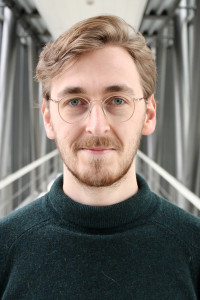
Mart Last joined the Sharp lab in July 2021 as a PhD student under joint supervision of Thomas Sharp, assistant professor and head of the BioNanoPatterning group, and Lennard Voortman, head of the light microscopy facility. His research is aimed at the employment and improvement of super-resolution light microscopy techniques tailoring to cryogenic correlated light and electron microscopy (cryo-CLEM).
CV
Mart studied Nanobiology at the Erasmus University of Rotterdam and Delft University of Technology for his Bachelor’s degree, followed by a Master’s in Applied Physics with a specialization in Bionanoscience at Delft University of Technology. He performed his master thesis in the group of Cees Dekker, studying liquid-liquid phase separation within liposomes as a platform to construct synthetic cells. Besides this, he did internships at the Wyss Institute of Biologically Inspired Engineering in the lab of William Shih, as well as at Delmic, a company in Delft that designs devices for integrated correlative light and electron microscopy. Between his graduation and joining the Sharp lab he worked at Delmic as an experimental physicist, developing a system that integrates cryogenic light, electron, and ion microscopy.
Göktuğ Aba

Göktuğ Aba is working as a PhD student at the LUMC and he is combining the DNA nanotechnology with immunology to develop new agonistic antibody-based immunotherapeutics. His interests lie in the activation of co-stimulatory T-cell receptors with agonistic nanobodies to bypass T-cell exhaustion and induce activation.
CV
Göktuğ studied Life Science and Technology at TU Delft and Leiden University. He obtained his masters in Life Science and Technology at Leiden University where he did his internship in the group of Sander van Kasteren. Göktuğ combined the cytotoxic activity of cytokines with targeting properties of nanobodies to develop a new immunocytokine with reduced side effects, potentially to be used as anti-cancer drug. He started his PhD in 2021 in the CCB group at the LUMC supervised by Thom Sharp and Ferenc Scheeren.
Gabriella Collu
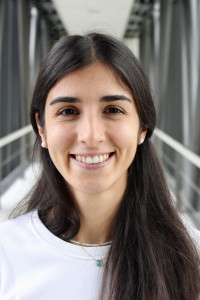
Gabriella joined the Sharp Lab in September 2021 as a Postdoctoral Researcher and Swiss National Foundation Fellow. The Sharp lab focuses on the understanding of the human innate immune system, and especially the complement cascade. The human complement cascade plays an essential role in immune defense against invading pathogens, as well as mediating clearance of cellular debris and apoptotic cells. During her postdoctoral research in the Sharp Lab, Gabriella used DNA nanotechnology to determine the structure-function relationship of how IgM antibodies nanopatterns activate C1 complex.
CV
Gabriella studied Cell and Molecular Biology at the University of Cagliari, Italy. She performed her master’s thesis in the group of Dr. Dario Piano, in Plant Physiology and Photobiology. At that time, she mainly focused on the biochemical and biophysical characterization of membrane-associated vacuolar enzymes. In July 2021, Gabriella obtained her PhD at the ETH Zurich. Under the supervision of Dr. Roger Benoit and Prof. Gebhard Schertler, she worked on the development of protein engineering strategies for structural studies of difficult targets. In particular, she focused on enabling single particle analysis (SPA, cryo-EM) of G protein-coupled receptors.
Roy Pattipeiluhu
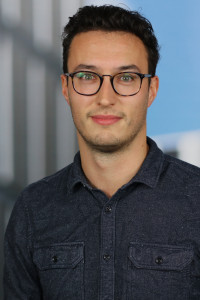
Roy Pattipeiluhu was a PhD student at the Supramolecular and Biomaterials Chemistry (SBC) group at the Leiden Institute of Chemistry, where he worked on fundamental understanding of lipid-based nanomedicine in biological systems. Roy is particularly interested in studying lipid nanoparticles (LNPs) that encapsulate RNA molecules. These LNPs are showing enormous potential in realizing RNA therapeutics, for example by silencing disease associated proteins with the delivery of small interfering RNA (siRNA). Together with his co-promotor Thomas Sharp, he is using cryo-electron microscopy to study paracrystalline lipid structures encapsulating siRNA in LNPs. By rational design of new LNP formulations the goal is to gain more understanding of nanoparticle core structure and enhance the cytosolic delivery of siRNA, which can serve as a strategy to increase the delivery efficiency of LNPs.
CV
Roy has a Bachelor’s degree in Molecular Science & Technology from Delft University and Technology and Leiden University and a Master’s degree in Chemistry from Leiden University, with a focus in Chemical Biology. During his masters, Roy performed several internships and projects. As a part of his master’s thesis in 2015, he developed light-activated angiogenic peptides for the use in embryonic zebrafish in the SBC group at Leiden University, focusing on organic and peptide synthesis. During this period, he was funded a NWO Top Sector Chemistry Student grant and spend several months working on dual directed liposomes for tumour treatment. In addition, Roy participated in the 2015 honours programme of the Netherlands Research School of Chemical Biology. In 2016, he worked on an enzymatic fluorescent labelling method in the bacterium C. Crescentus in the Tirrell lab at the California Institute of Technology, where he increased his knowledge in biochemistry, bacterial cell culture and protein chemistry. In 2017, Roy started his PhD in the SBC Group at the Leiden Institute of Chemistry, under his promotor Alexander Kros and co-promotor Thomas Sharp.
Dylan Noone
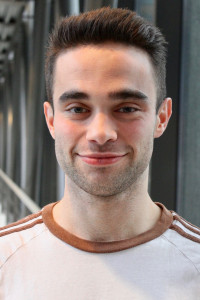
Dylan Noone was a PhD student in the Sharp lab, a part of the Electron Microscopy section in the department of Cell and Chemical Biology. Dylan’s PhD project involves elucidating various protein complexes’ structures and mechanisms of action in the Complement System. He will use a range of techniques including cryo-Electron Microscopy, DNA origami and biochemical methods to achieve this. In August (2023) he will join the Lab of Doryen Bubeck at Imperial College London.
CV
Dylan studied Biochemistry for his undergraduate degree at The University of Bristol (2017). This involved two major research projects. The first for Oxitec, a Oxfordshire based biotech company who specialised in the genetic modification of insects for pest control. The second, in the lab of Professor Ian Collinson at the University of Bristol, where he helped develop a novel optical assay for measuring the rate of protein import/export across membranes. Subsequently, he worked in Professor Ian Collinson’s lab where he applied this optical assay and other techniques into interrogating the mechanism of action of the TIM23 transporter in the Mitochondrion (2018).
Maarten Tuijtel
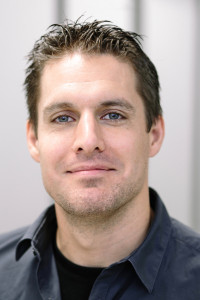
Maarten Tuijtel was a PhD student shared between the Sharp and Koster labs, where he developed new methods for (cryo-) correlative light and electron microscopy (CLEM). During his PhD Maarten has developed a new method to visualize high-pressure frozen and freeze substituted samples, that allows very accurate correlation between the fluorescence and electron microscopy images. Maarten’s main project was the development of fluorescence super-resolution microscopy on cryosamples, to be correlated with cryo electron microscopy. He developed a standard workflow and investigated the conditions under which super-resolution cryoCLEM is feasible. Within the STW Microscopy Valley programme, Maarten was involved in the development of integrated super-resolution and electron microscopy.
CV
Maarten studied Applied Physics in Delft, with a focus on Biophysics and NanoBiology. He was involved in several research projects in the group of Cees Dekker regarding the behaviour of DNA in solid-state nanopores. During his master Maarten developed a novel fluorescent probe for Stochastic Optical Reconstruction Microscopy (STORM) in the lab of Elio Abbondanzieri, in the Bionanoscience department in Delft. During an internship at the University of Edinburgh, he worked in the lab of Sander Granneman (Synthetic and Systems Biology Department) on a novel chemical method to probe the secondary and tertiary structure of RNA molecules in yeast cells.
Willem Noteborn
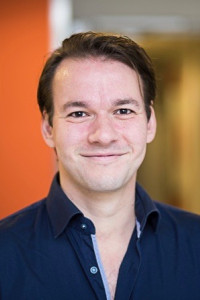
Willem was a post-doctoral scientist in the section Electron Microscopy in the Department of Cell and Chemical Biology at the Leiden University Medical Center (LUMC). He was working as a post-doc in the Sharp lab where he developed DNA nanotechnology-based Bio-nanopatterning strategies to understand and exploit the human innate immune system.
CV
I studied Life Science and Technology at the Universiteit Leiden and Technische Universiteit Delft. During this time I did internships in both the Soft Matter Chemistry group of Prof. Dr. Alexander Kros on the synthesis of covalent hydrogel materials for applications in drug release and in the Molecular Biotechnology group of Prof. Dr. Gilles van Wezel, where I did research on the role of cytoskeleton proteins in cell division and the possible existence of kinesins in Streptomyces coelicolor. In 2013, I started my Ph.D. research under Prof. Dr. Alexander Kros and Dr. Roxanne Kieltyka at the Supramolecular and Biomaterials Chemistry group of the Leiden Institute of Chemistry, Universiteit Leiden. Here I did research on the design and synthesis of supramolecular polymer materials for biomedical applications and diagnostics. I am currently working as a post-doc in the Sharp lab to develop DNA nanotechnology-based Bio-nanopatterning strategies to understand and exploit the human innate immune system.
Erik Bos
Erik Bos joined the Sharp lab in 2022. He is an all-round technician in electron microscopy with an emphasis on cryo techniques and correlative microscopy.
CV
Erik Bos studied biology at the University of Amsterdam (M.Sc. 1993). He was a student in the group of Wanderley the Souza at the State University of North Fluminense, Brazil until 1999, when he joined the technical staff of the Peter Peters group at the Netherlands Cancer institute, Amsterdam. In 2007 he joined the technical staff of the Bram Koster group at the LUMC, Leiden. In 2010 he was affiliated with the technical staff of the Laboratory of Biotechnology at INMETRO, Brazil.
Former students
Jake Smith; Atharva Sahane; Katrine Connor; Laila-Marie Latin Vicente; Ahmed Soliman; Harry Hughes; Lemeesh Sathyamoorthy; Sam Whinney; Thy Doan, James Lythall; Noah Schoettner; Tate Warmerdam; Margot de Winter; Jip Wulfelle; Sander Mallon; Quint van Loosen; Guido van Moolenbroek; Luc Veenman; Mariska Keizer; Sinisha Jovikj; Lynn Kleindouwel; Tijn van der Velden; Teun van der Klugt; Marjolein Willems; Juliette Engelberts; Maartje van Klaveren; Diederik Mud; Chantal Vreeze; Miriam Amiguetti Grande

